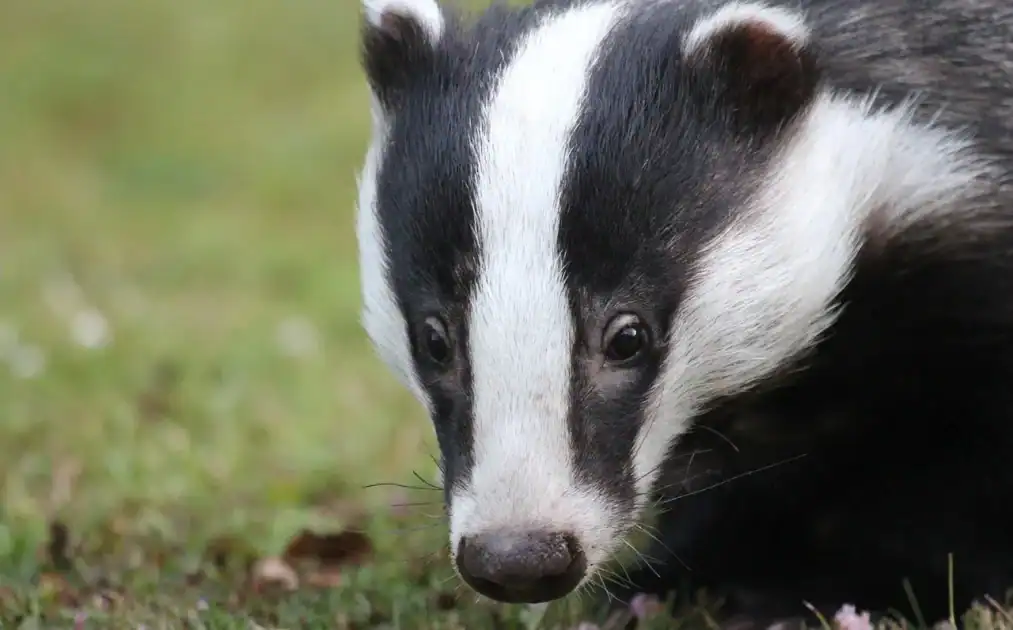
The Department of Agriculture, Food and the Marine (DAFM) has estimated that in 2024, it cost approximately €468 to vaccinate a captured badger and €660 to cull a snared badger.
DAFM said these figures was based on fixed and variable costs associated with capturing and vaccinating a single badger.
The Comptroller and Auditor General, the State’s government spending overseer, who have examined the Ireland’s bTB eradication programme – including the factors that have contributed to the recent increase in the TB rate, were issued those figures by DAFM.
A review was undertaken as to how the programme is operating, and how the Department of Agriculture, Food, and the Marine (DAFM) evaluates the effectiveness of the current bTB programme.
Ireland has been dealing with Bovine Tuberculosis (bTB) since 1950 when the first eradication programme was established. Despite all the cattle slaughter and badger killing Ireland currently has the highest rate of bTB in the EU.
In 2024, over 6,000 Irish farms were affected by a bTB outbreak as the herd bTB incidence rate increased to 6.04%.
bTB Programme Cost
The operating cost of the national bovine TB programme stood at €100.616 million in 2024.
According DAFM, levels of TB are influenced by factors including cattle management practices and biosecurity, cattle interactions with wildlife, TB history in a herd, testing and surveillance and cattle movement.
The Comptroller and Auditor General report revealed that over the ten-year period to the end of 2024, the bTB eradication programme cost DAFM almost €500 million. A 35% increase in expenditure on the 2023 figure was recorded in 2024 when the cost of the programme was just over €100m.
In respect of badgers, the report noted that the current bTB strategy includes both the vaccination and culling of badgers. The efficacy of the vaccine is estimated to be 60% while the culling of badgers is conducted using snare and rifle.
The report also examined and made recommendations regarding operational aspects of the bTB eradication programme. This covered the Department’s approach to testing requirements, bTB compensation schemes, and herd TB-status categorisation.
TCAG Recommendations
The Comptroller and Auditor General report provided a number of recommendations in relation to the government’s current TB eradication programme.
A recommendation was made that Department of Agriculture should consider designing a comprehensive set of performance measures which are achievable and relevant to the strategic aims of the bovine TB eradication programme. An additional recommendation was that payment of bTB compensation be aligned with biosecurity measures.
In response, DAFM said it agrees with performance measures in principle and that as part of the Programme for Government commitment to a review and update the National TB 2030 Eradication Strategy, the department will examine the feasibility of incorporating performance measures into the bovine TB eradication programme. The proposed timeline for implantation of this recommendation is quarter one 2026.
The DAFM has agreed that it will align compliance with risk mitigation plans and compensation in the event of future breakdowns. The proposed timeline for the implementation of this is in quarter two next year.
For animal welfare campaigners, they see the costs of the Ireland’s bTB programme spiral while the badger continues to pay a lethal price for farmers failing to adhere to bovine tuberculosis prevention measures on their farms as the bTB incidence rate creep ever higher.
Read: The Bovine TB Action Plan Addressing Bovine TB in Ireland
www.bovinetb.ie
Get in Touch
If you have a tip for an animal welfare issue, an animal news article, a press release, or just want to just reach out to us, we’d love to hear from you. John Tierney, Animal News Ireland/Editor